SOUNDS
Say them pure
The DfE reading framework says it is easier to blend /s/ /p/ /or/ /t/ than /suh/ /puh/ /or/ /tuh/ to read 'sport'. Keep consonants short and clean.
Try a reading moment doodlephonics
WHAT THE GUIDANCE SAYS
Phonics teaches children that letters are a code for sounds.
Try a reading moment
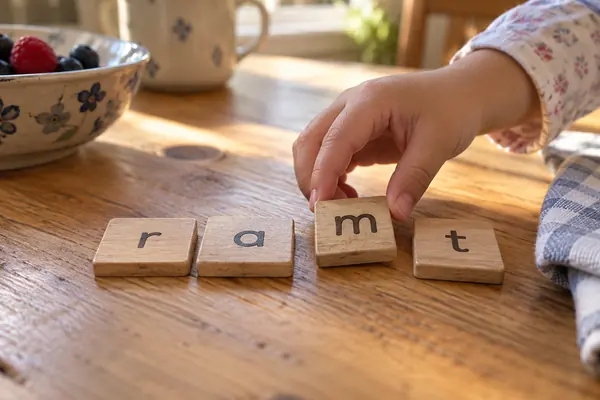
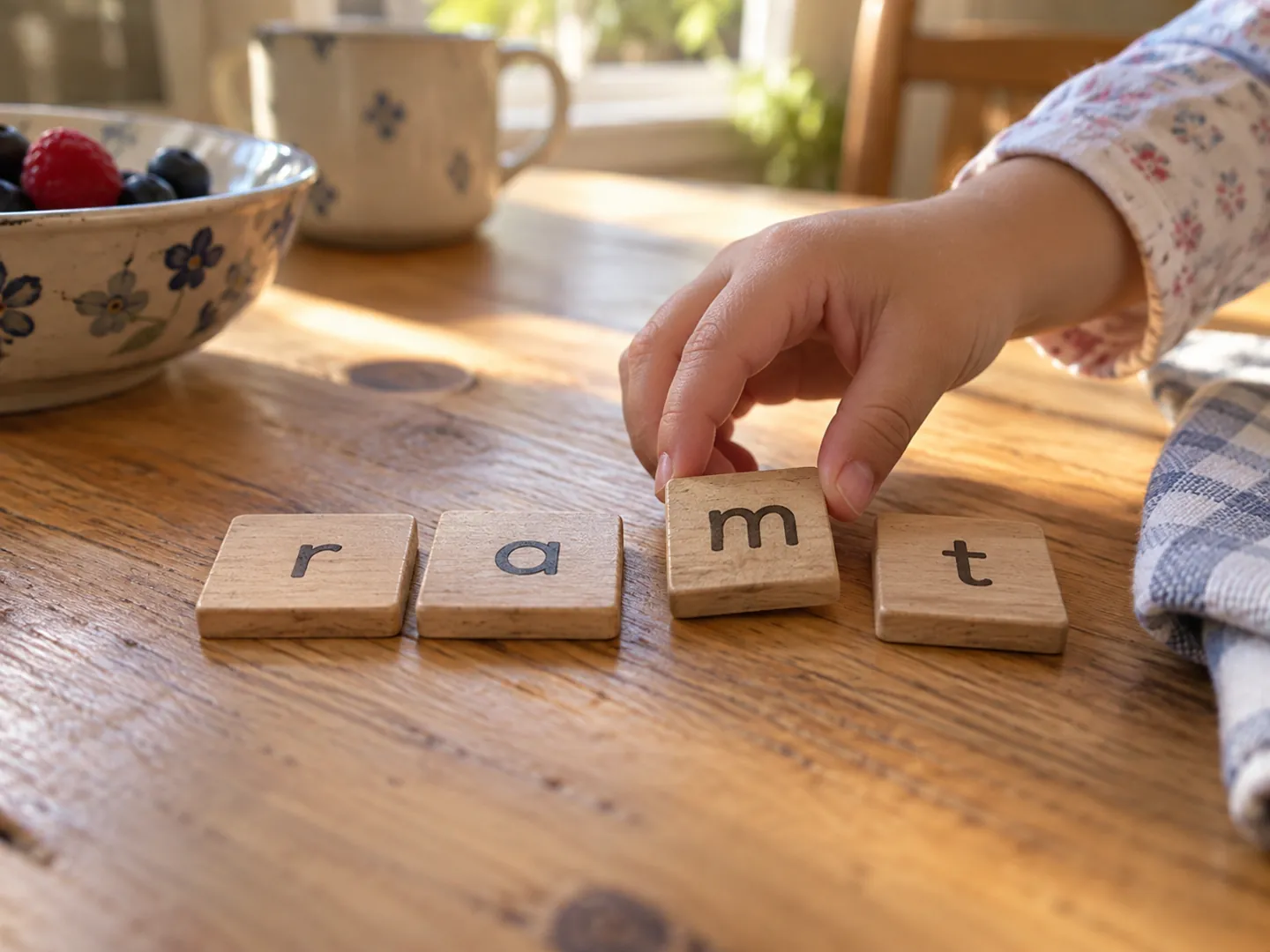
S-A-Tsat
The DfE says daily lessons should begin as soon as children start Reception. At home, the Department for Education's advice is simple: say the sounds cleanly, blend them from left to right, and read books your child can actually decode.
Updated
THE SHORT ANSWER
Children learn the code at school.
Home is where they practise it.
SOUNDS
The DfE reading framework says it is easier to blend /s/ /p/ /or/ /t/ than /suh/ /puh/ /or/ /tuh/ to read 'sport'. Keep consonants short and clean.
Try a reading momentBLENDING
With an unfamiliar word, the DfE leaflet for parents says to sound it out and blend from left to right rather than looking at the pictures to guess.
How to helpBOOKS
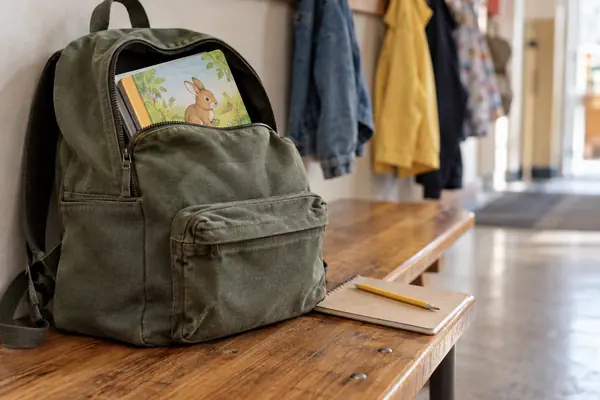
Schools send home 'decodable' books written with the letters and sounds your child has learnt, so they can work out every word.
Why it mattersA QUICK READING MOMENT
Pick a moment that often comes up when reading together to see what the guidance suggests. The bar shows how much the guidance suggests stepping in.
Based on Department for Education guidance for parents and schools. Your child's teacher can tell you how their school's phonics programme does things.
TWO NUMBERS WORTH KNOWING
One figure from this year's Year 1 check,
one from a review of 228 studies.
82%
Pupils meeting the expected standard
Up from 80% in 2025, and 89% by the end of Year 2. Disadvantaged pupils were at 68% in Year 1, against 86% for other pupils.
YEAR 1 CHECK · DfE 2026
+5 months
Average extra progress from phonics
The Education Endowment Foundation rates the evidence as high, from 228 studies. It notes phonics improves reading accuracy but not necessarily comprehension.
IMPACT · EEF
England phonics results published by the Department for Education on 8 October 2026. The DfE does not publish school-level results for the check.
FOUR HABITS TO TRY
None of this needs special materials. It is about backing up what your child is learning at school with the books they bring home.
When you read together, highlight the sounds. Teaching usually starts with single letters such as s, a and t, then moves to pairs such as ee, ch and ck.
Say /m/, not 'muh'. The reading framework says avoiding the extra sound makes blending easier.
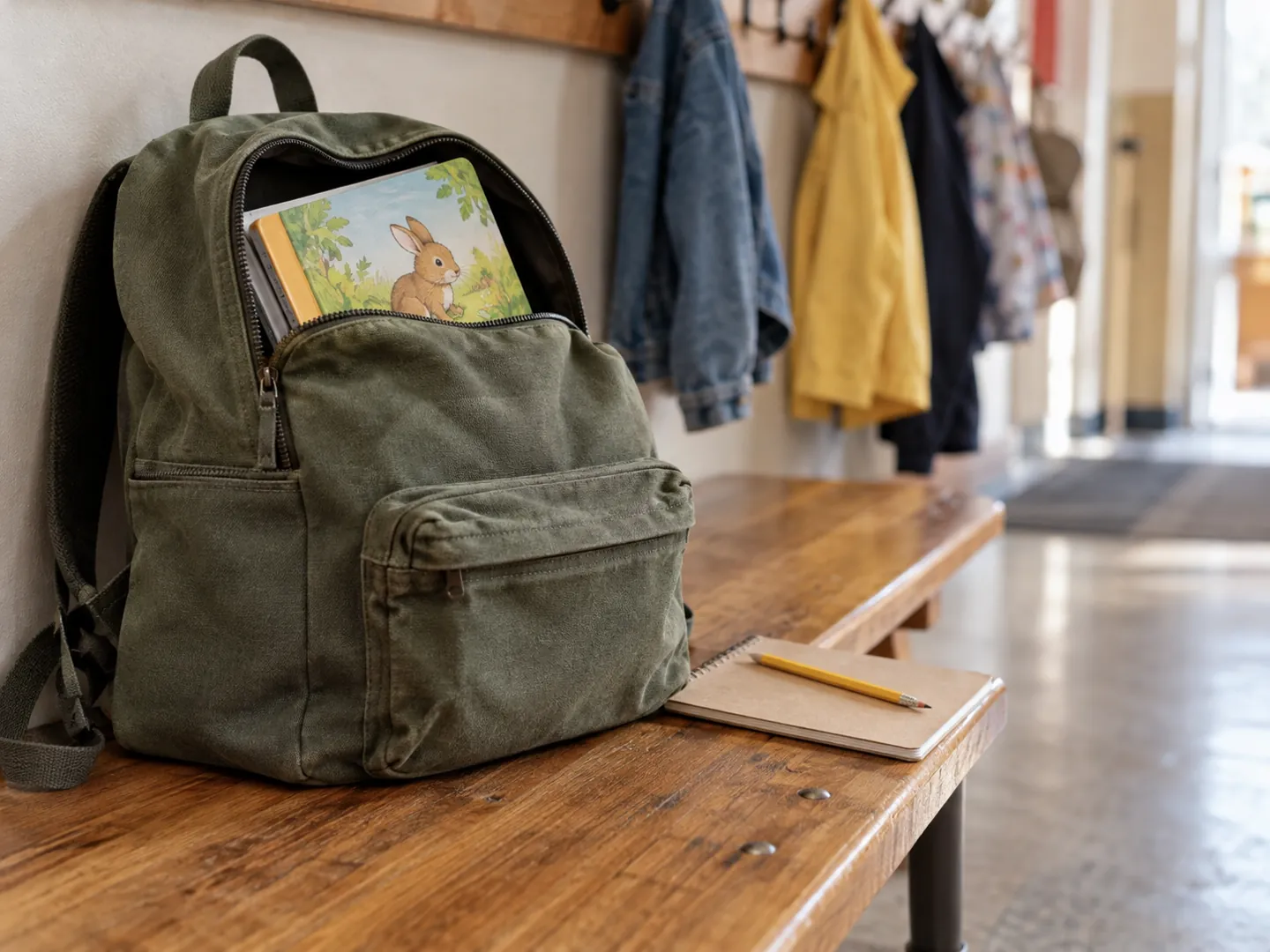
The decodable book from school is matched to what your child knows. Let them read it to you, then read it again.
Most schools use a reading record so teachers and parents can share what a child has enjoyed and found tricky.
WHY THE BOOK MATTERS
English uses 26 letters for 44 or so sounds, and the DfE says it has more than 70 common sound-spelling links. Decodable books follow the order the school teaches them in, so a child never meets a spelling they have not learnt yet.
The reading framework says schools should help parents understand that books sent home should match what children can already decode, and that guessing from pictures, first letters or context should not be needed. Sharing other stories aloud still matters too.
Questions
It is the way schools in England teach reading: children learn the sounds that letters and letter groups make, in a planned order, and blend them from left to right to read words. Daily sessions start in Reception.
A short check in June with 40 words in two sections of 20, mixing real words and pseudo-words. Pseudo-words come with a picture of an imaginary creature, so children know not to look for a real word.
The DfE leaflet for parents does not ask for special preparation. It suggests encouraging a love of books, highlighting sounds when you read and helping your child sound out and blend unfamiliar words.
The teacher shares the score in the second half of the summer term, and the school should tell you what support it is putting in place. Children who have not met the standard re-take the check in Year 2.
They are decodable books, written with the letters and sounds your child has been taught, so they can read every word themselves. The national curriculum says Year 1 pupils should reread them to build fluency.
ABOUT THIS NAME
doodlephonics.com is part of the DoodleSale portfolio. It isn't in an auction right now, but you can ask about leasing it.